
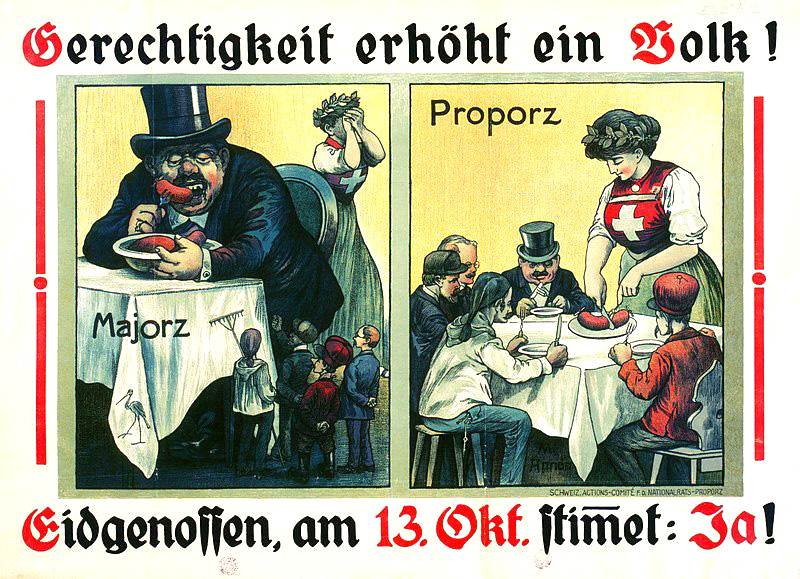
Problems with representative democracy
There is growing citizen dissatisfaction and conflict within many of the leading representative democracies and in several instances sheer frustration has led to protest swings towards increasingly populist governments. The main grievances include among others, elitism within political parties and governments, disregard for the opinions, job needs and welfare of citizens, outright corruption in some cases, and promotion of policies, which increase inequality through the blatant transfer of wealth from the middle and poorer sectors to elites.
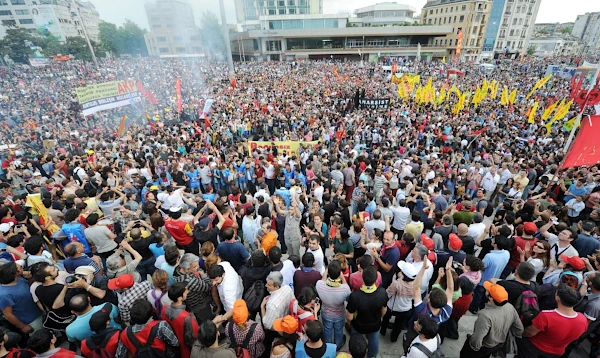
Citizens in representative democracies essentially have very little say in government other than to vote for one of two or perhaps three hardly distinguishable entities, which will rule largely autocratically and frequently squabble amongst themselves for the next four or five years. A general loss of confidence in government and political institutions is becoming more widespread and this is being exacerbated by unlimited access to the internet and social media which are exposing the comings and goings of the political classes and elites unfavourably.
The key problem with representative democracy is the concentration of power within a relatively small elite through "winner takes all" electoral structures. Humans being humans, over time these systems are open to corrosion and become increasingly subject to corrupting elements such as corporate influence, lobby groups, big financial donors and „wannabee kings and dictators“ leading to legislative bias and power abuse to the detriment of the hapless electorate. Without effective external controls that maintain fairness and balance, voter apathy sets in because people are not stupid and don‘t waste time voting when they know that this will have limited or no effect whatsoever.
Key elements of direct democracy
In contrast, in a direct democracy power is disseminated and the electorate plays a controlling and corrective role. Federal or central government authority is very much reduced and regional and local governments have substantial independence and authority. These tend to be largely self governing and self financing with much of the decision making undertaken by citizens through quarterly referendums, that are carried out electronically, by post or at the ballot box, if preferred. Citizens participate nationally, regionally and locally on matters such as finance, tax rates and tax policy, retirement and pensions, medical insurances, education, and military spending, and setting of regional and community budgets. When government is doing the right thing, it is not necessary for citizens to vote on each and every issue, but when government steps out of line or is not dealing with something which it should, the citizens are able to intervene and do it themselves if necessary.
In any political system, it is necessary to have an external controlling instance to ensure that the rules and the integrity of the system remain intact. In representative democracies, the external controlling functions are primarily the constitution and the constitutional courts. Yet as can be seen almost everywhere, creeping political influences over the judiciary have been growing and the independence of constitutional courts is in the decline.
In the case of a direct democracy the final instance is the "sovereign" which is the citizenry and therefore no constitutional court is necessary. Therefore the independence of the judiciary cannot be corrupted or usurped by political parties and those in power.
Is this not populism?
Some may recoil in horror at such politically incorrect „populism“, but in Switzerland the benefits are seen in stable, efficient and cost effective government, good social systems, business friendliness and relatively low tax rates. Legislation tends to be fair, pragmatic and understandable, because the knowledge that citizens can overturn new legislation or propose alternative legislation tends to focus the minds of law makers accordingly.
Where citizens have the ongoing right to participate meaningfully in government, they actually behave pretty sensibly. When deciding about their future and that of their children and grand children, the electorate becomes remarkably pragmatic and reasonable. So in Switzerland many seductive initiatives by unions and other parties to shorten the working week, reduce retirement age, increase minimum wages, unemployment benefits and pensions, or disadvantage minorities or join the European Union have been soundly thrown out by the electorate. At the same time government spending and borrowing are closely controlled and, in contrast to most other countries, the country has negligible debt.
An important benefit of direct democracy is that regular and active participation in government leads to an electorate which is politically astute and less likely to be swayed by politically emotive or personality cult issues. This can be seen in the run up to referendums where early polls will often show high scores on emotional issues, but as the referendum draws closer and more information, debate and open discussion on repercussions and impacts takes place, the polls often show a reversal towards a less emotive but more pragmatic viewpoint. This kind of electoral participation leads to sound and more representative decisions and greater confidence in systems, institutions and government.
Benefits of direct democracy
All in all, the direct democracy system in Switzerland has played a role in turning one of the poorest countries in Europe with hardly any natural resources into one of the wealthiest and most progressive. It consistently scores among the World's best in surveys on economic competitiveness, equality, happiness of citizens, quality of life, citizen net assets, education, innovation, low unemployment and very importantly, low corruption.
Rather than getting bogged down with all the old worn out and misleading arguments for representational democracy, those who are interested in finding solutions to the current democracy issues should look a little more closely at how a successful, working, direct democracy operates. It has a number of innovative and eloquent approaches to government which have developed as a result of having freedom and authority to be politically creative and these could be usefully applied in many other countries and systems as well.
Why is there only one country with direct democracy?
Despite the obvious benefits of citizen participation in the governance of countries, direct democracy does not appear anywhere else. The fundamental consideration behind this is the unattractiveness of the idea of citizen participation to the existing ruling classes, the wealthy elites and big corporates which are used to relatively free reign in representative democracies and autocracies.
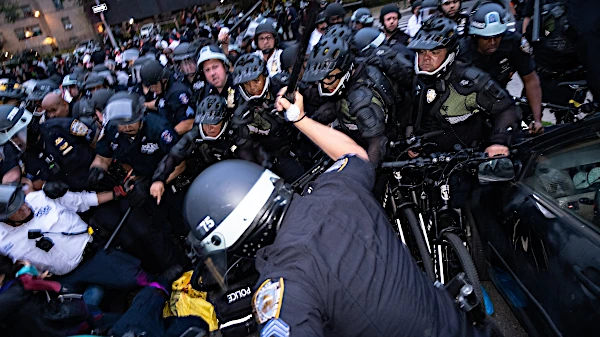
Any attempts by citizens to demand more rights will be ignored, avoided, twisted, reframed as populism, faschism or right wing extremism and finally put down by force if nothing else succeeds. This can be seen in the creeping worldwide trend to control and prevent free speech with ever tightening laws to criminalise demonstraters, political parties or individuals who represent citizen concerns. Countries where the only way citizens can attempt to have their concerns voiced is through demonstration, can hardly be considered democracies.
See also