Early life
Born into a poverty-stricken family in the small town of Arco in what was part of the Austrian Empire but is now in Italy, he was orphaned at age 8 and sent to live with an older half-sister who moved with him to Milan (Italy) in the hopes of a better life. She renounced their Austrian citizenship but through a mis-understanding did not apply simultaneously for Italian citizenship; as a consequence they were left stateless.
After running away, he was sent to a reformatory where he learnt basic shoemaking skills but not reading or writing and he remained illiterate until his 20s. Eventually an older half-brother rescued him when he was a teenager and taught him the new art of photography.
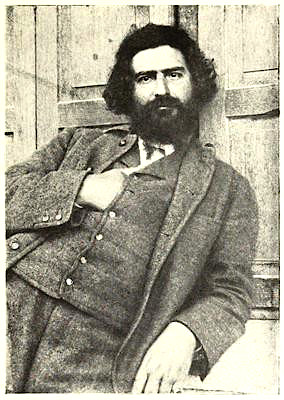
His artistic ability was recognised when he worked as an assistant to a decorative painter. He attended evening art classes at Milan’s Brera School of Art where he made contacts and friends among the leading Italian artists, writers, poets, musicians and designers of the time.
His works were well received; art museums and collectors bought his paintings, and he was commissioned by many wealthy patrons to produce works for them.
However, due to his stateless status he had no passport and so was prevented from travelling: That meant he was unable to capitalise on his growing reputation.
Money worries plagued him all his life; in search of a cheaper place to live, he moved to Switzerland in 1886 – at first living in Savognin and then in 1894 he moved to Maloja. He died in 1899 at age 41.
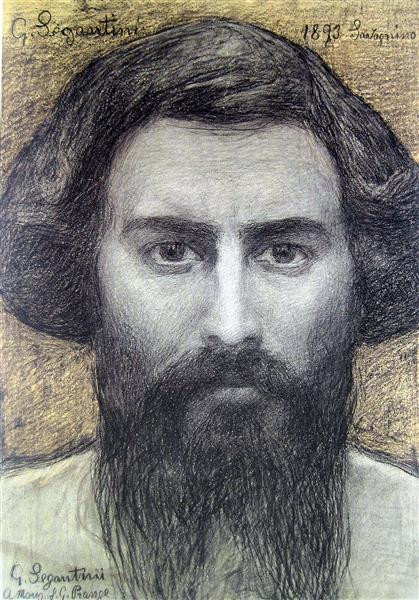
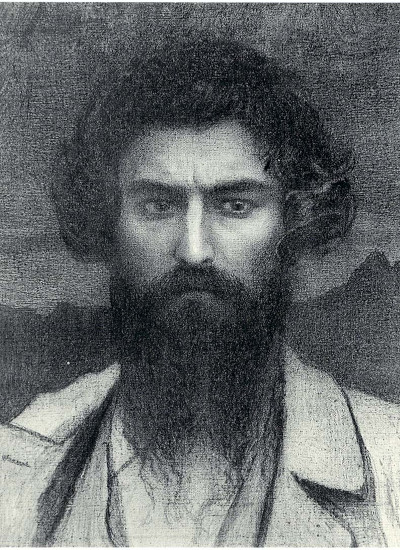
In his short-lived career, Segantini became one of the most successful artists of his time -- yet his name is almost unknown outside the art world.
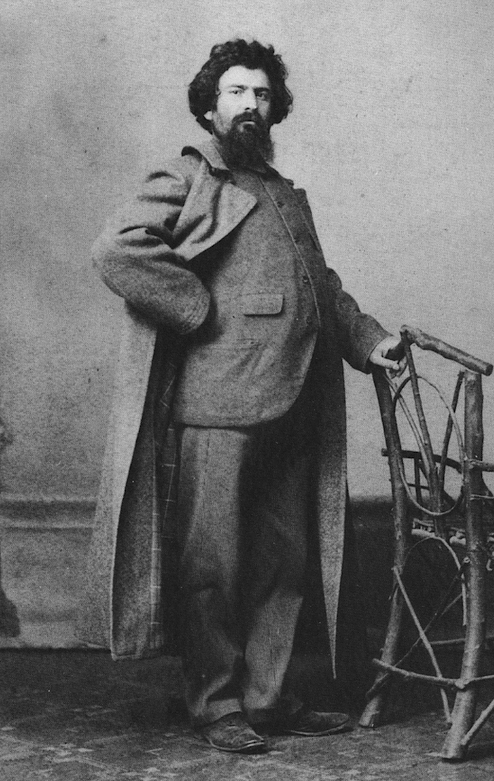
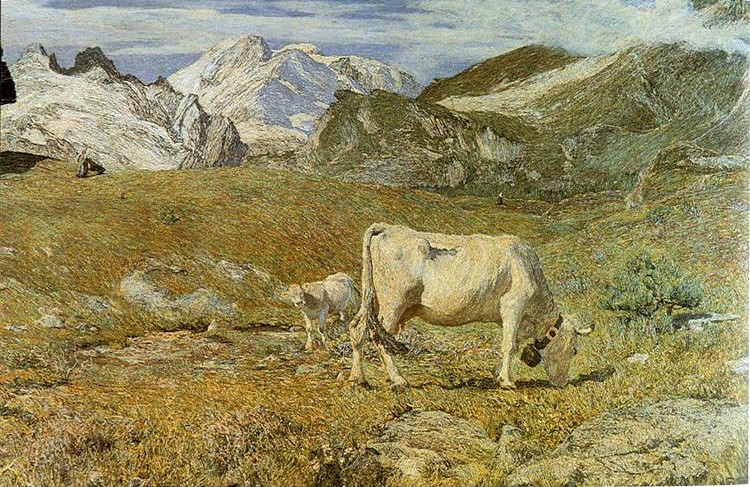
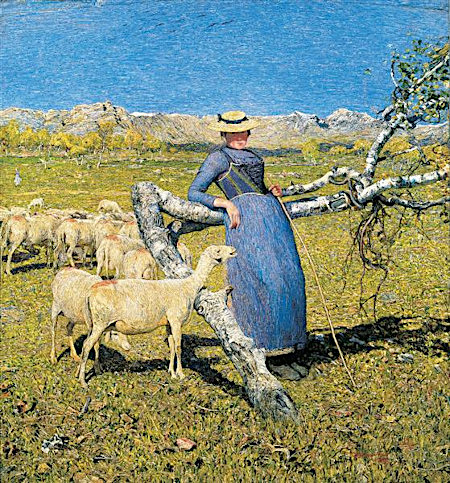
Segantini was a painter of ‘realistic symbolism’ as well as a master of high mountain landscapes. Initially he painted relatively simple scenes featuring common people - peasants, farmers, shepherds - living off of the land and in harmony with nature.
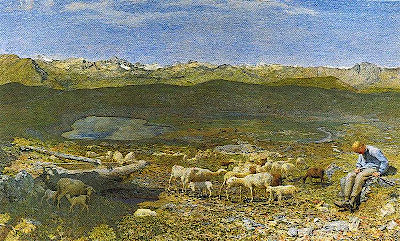
After he settled in the Swiss Engadine Valley, his painting took on a new dimension. Painting the larger, grander alpine landscapes surrounding his home, he began to incorporate Symbolist images into these landscapes, pairing divine imagery with the stunning natural beauty.
“I am now working passionately in order to wrest the secret of Nature’s spirit from her. Nature utters the eternal word to the artist: love, love; and the earth sings life in spring, and the soul of things reawakens” he wrote in a letter to a friend.
He developed his own version of the ‘pointillist’ technique (known as Divisionism), through which he was able to reproduce the light of the high mountain world and enhance the naturalistic effect of his pictures.
In later life, he combined a Divisionist painting style with Symbolist images of nature - a style that bridged the Impressionist movement and more avant-garde and modern forms of art. Segantini therefore played an important role in a crucial transformation in the art world.

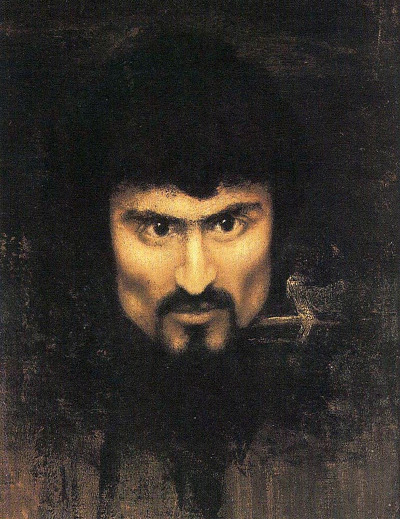
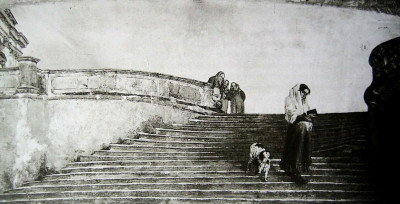
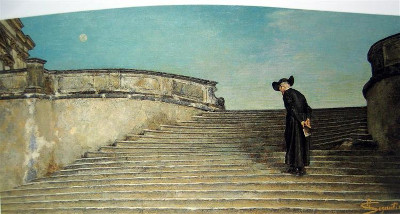
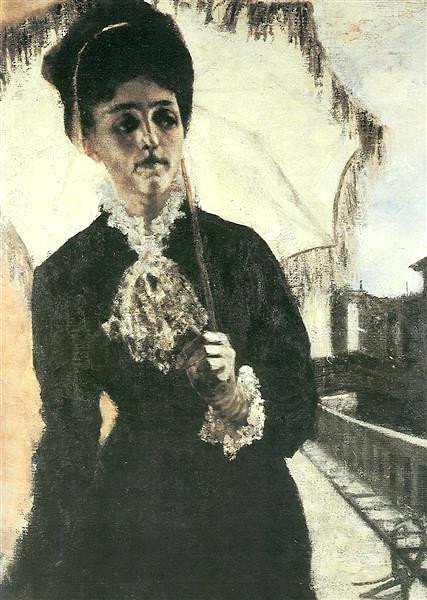
Works from 1878 to 1886
Italy (Milan, Posiano, Brianza)
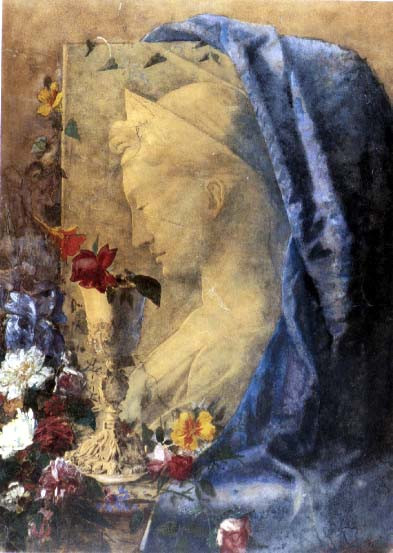
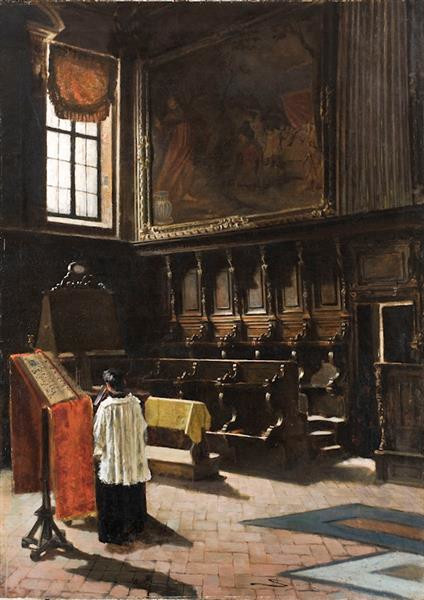
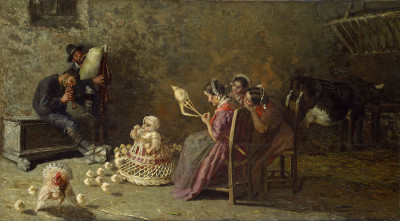
(192 x 107 cm - National Museum for Western Art, Tokyo)
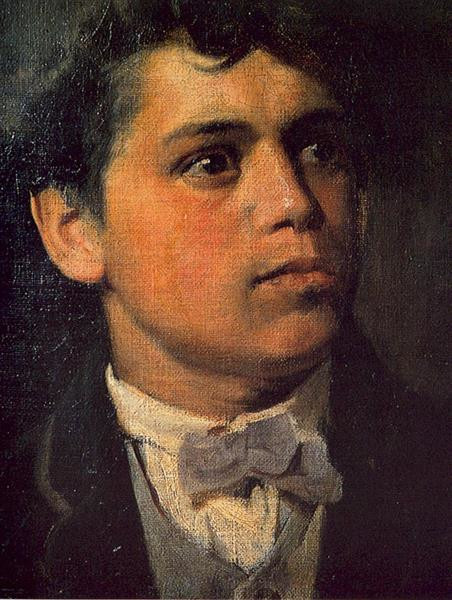
Works from 1886 to 1899
- Engadine, Switzerland
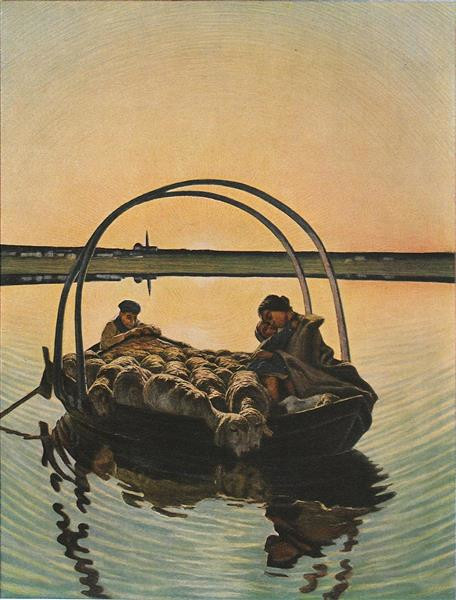
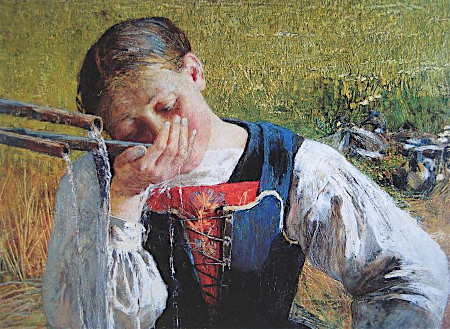
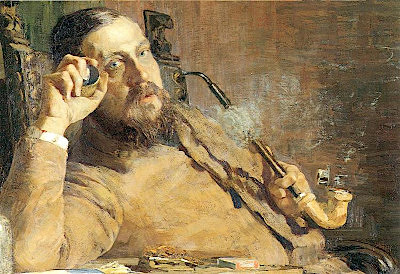
(Segantini's art-dealer, adviser, financier and friend)
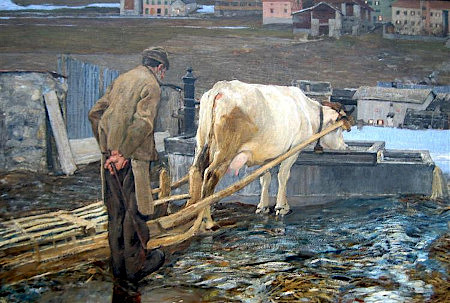
(98 x 56 cm)
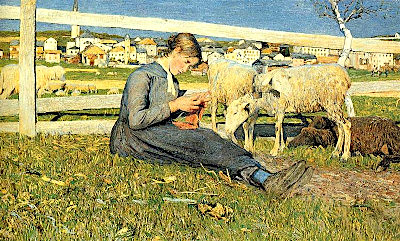
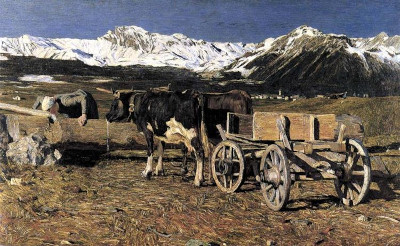
This painting was awarded the Gold Medal at the 1888 World Exhibition in Paris.

(Galleria d'Arte Moderna, Milan / 157 x 280 cm)
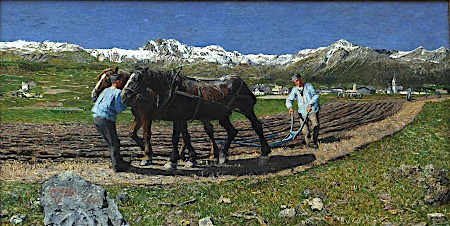
Won a Gold medal at the National Exhibition in Turin of 1890, and purchased by the Neue Pinakothek of Munich.
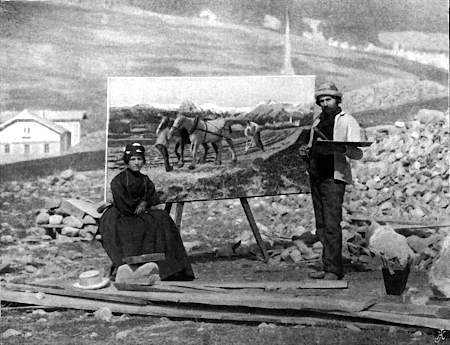
After moving to the Engadine, Switzerland, Segantini spent hours outside, painting his huge canvases in all weather.
Here he is finishing the over 2-meter long "The Ploughing" (1890) which won a Gold medal at the National Exhibition in Turin of 1890; it was purchased by the Neue Pinakothek of Munich where it hangs today.
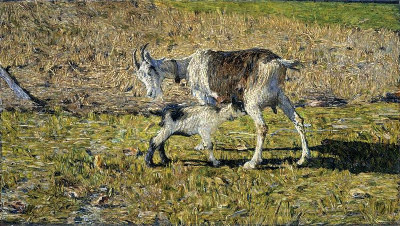
(Rijks Museum, Netherlands)
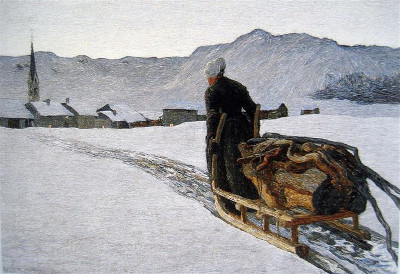


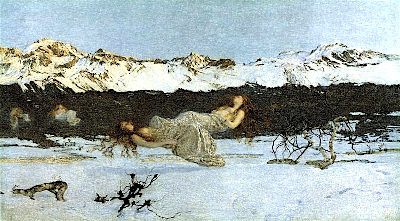
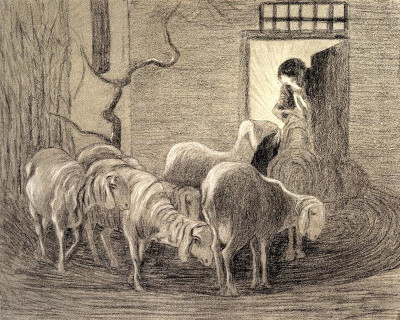

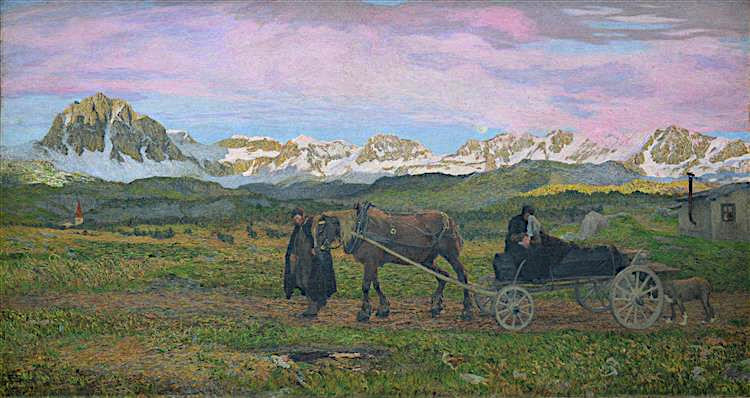
1895 (299 x 161 cm)
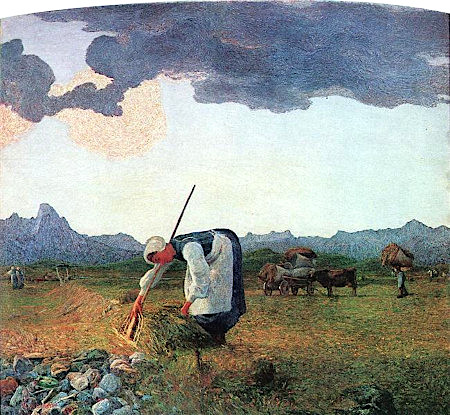
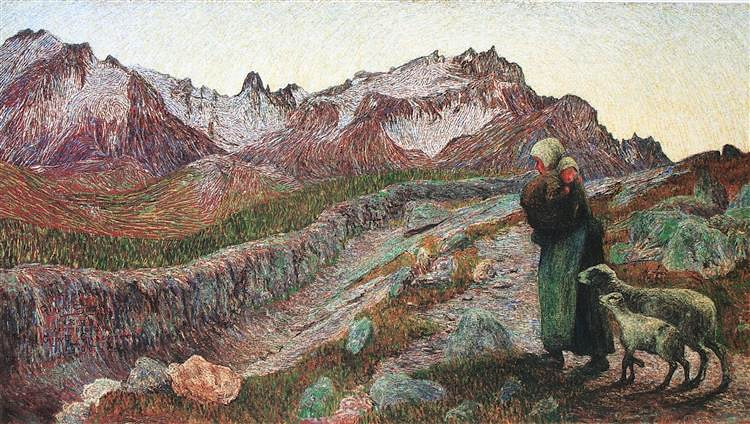
The Alpine Triptych, 1897-1899
In 1897, Segantini was commissioned by a group of local hotels to build a huge panorama of the Engadin valley to be shown in a specially built round hall at the 1900 Exposition Universelle in Paris. He planned a colossal panorama of the Engadine, a painted panoramic view extending from the Bernina to the Albula massifs.
For this project, he worked almost exclusively outdoors on large canvases stored in wooden shelters. Before it was completed, however, the project had to be scaled down for financial reasons. Segantini redesigned the concept into a large triptych depicting the three fundamental concerns of man's existence: Life, Nature and Death - and which became his most famous work.

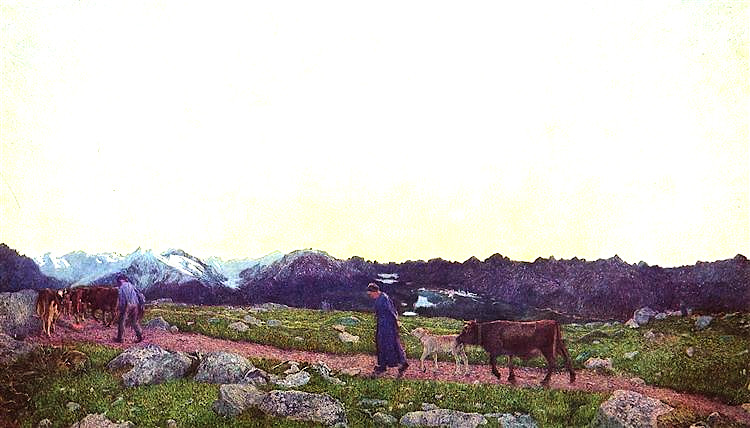
A study of Segantini's painting technique using "Spring in the Alps, 1897"
(Courtesy of the painting's owners, the J. Paul Getty Museum)
This monumental canvas (227 x 116 cm / 90 x 16 in) celebrates the grandeur of Nature and the Cycle of Life through a view of the Val Bregaglia where Segantini moved with his family in 1894. The painting depicts a panoramic alpine landscape near the village of Soglio—visible on the right with its recognizable church tower - with the view sweeping across the valley to the majestic, snow-capped Sciora Massif and Bondasca Glacier.
Segantini painted this landscape outdoor, taking large canvas into the mountains to lay out the composition, before adding the finishing touches in his studio.
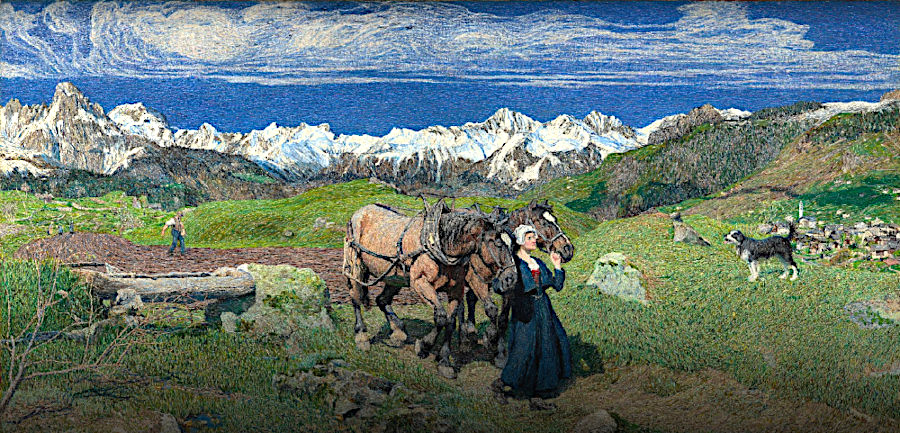
In the middle of the composition, a farm girl, dressed in the blue and red peasant costume characteristic of Canton Graubünden leads two large draught horses past a watering trough. They have left the freshly plowed field, visible in the left middle ground, where a sower scatters seeds; a vigilant black and white dog stands guard at the right. The joyful mood of the picture is expressed in the bright, shimmering sunlight and the glorious, expansive vista. The crisp colors of the season define the landscape against the ultramarine sky and the ribbons of thin clouds overhead.
The painting is a hymn to the reawakening of nature in Spring after a long, hard winter, a work in which the landscape, the rural workers, and the animals evoke the cycle of nature.
Rather than offering a faithful representation of the landscape, Segantini was interested in capturing the vastness, brightness, and crisp air that uniquely characterize high-altitude Alpine views. So he manipulated the panorama by changing its perspective, adjusting the scale of the mountains and enlarging it horizontally for a panoramic view.
To give depth to the colors and avoid reflections from the white canvas when painting outdoors, he first applied a red-brown base layer, called imprimatura, which is still visible on the edges of the painting.
Then he meticulously applied the paint using a variety of both thin and thick brushes to create strokes that juxtapose vivid colors.
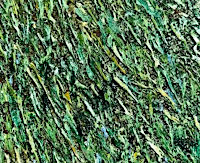
Segantini developed his characteristic 'Divisionist' technique, using pure, mostly horizontally layered bands of complementary colours.

To enhance the luminous coloring of the painting, Segantini added gold, mixing both leaf and gold powder into the paint. The metallic pigment emphasizes the vibrant light of the alpine scenery and its shimmering mountain peaks.
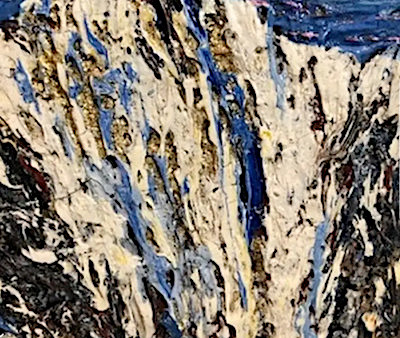
"The purer the colours put on the canvas will be, the better they will lead the painting towards light, air, and the truth." he wrote to a friend in 1896.
Methodically applied side by side, layer by layer, the thin linear brushstrokes create a thick and tactile texture - as seen in a close-up of the dog.
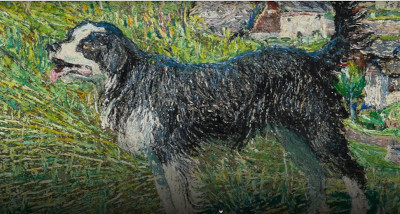
The concerted vertical and horizontal brushstrokes animate the painting and direct the viewer's eye across the space: down the green hills and along the furrows of the ploughed field.

and up the highest mountain crests and the parallel lines of the ultramarine sky.
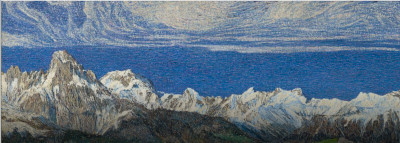
Segantini counted "Spring in the Alps" among his greatest paintings. After his death, Spring in the Alps quickly became one of the artist's most popular masterpieces, admired for its unique style and unconventional technique.
The painting was commissioned in 1897 for Jacob Stern, director of Levi Strauss & Co. a keen art collector from San Francisco.
In 1999 it was bought by the J. Paul Getty Museum, Los Angeles.
Short Life of Giovanni Segantini
After a difficult childhood, Segantini took art classes in Milan and painted portratits of "high society" figures for an income.
In 1879 - Exhibits his first major painting - it attracts much attention and is bought by the Milan Società per le Belle Arti which in turn attracts the attention of art-dealer Vittore Grubicy who becomes his life-long art adviser, financier and friend.
He meets the sister of an artist friend - Luigia "Bice" Bugatti - and begins a life-long relationship. Due to his stateless status he is unable to obtain legal papers necessary to marry her. In opposition to this bureaucratic technicality, they decide to live together as an unmarried couple. Frequent conflicts with the Catholic church force them to relocate every few years to avoid local condemnation.
Three sons and a daughter are born in quick succession.
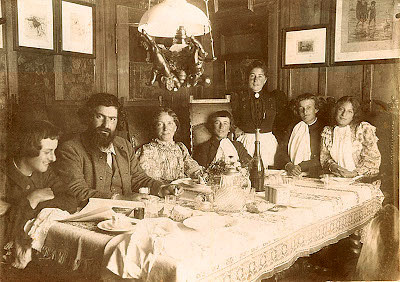
Segantini with his life-partner Bice, their 4 children and their devoted housekeeper
1883 - after a painting wins Gold Medal at the World Fair in Amsterdam, his works begin to be in demand particularly in Netherlands, Belgium, Germany and Austria. He starts to paint en plein air, preferring to work in the outdoors rather than in a studio. While he worked outside, Bice would read to him, and eventually he learned to read and write. Later he would write articles for Italian art magazines and maintained a lively correspondence with all the leading artists of the time.
1886 - in search of a less expensive place to live and attracted by the beautiful mountain scenery, he moves his family to Switzerland, settling in Savognin.
1890s - his paintings continue to gain recognition and are in demand by art collectors and museums throughout Europe and the USA. Due to his statelessness, he cannot get a passport to enable him to travel and so be able to capitalize on his successes. Although offered Swiss citizenship, he declines saying his 'heart beats as an Italian'.
He begins to study philosophy, concentrating on those writers who question the meaning of life and one's place in the natural world.
1894 - after creditors pursue him, he moves to the Chalet Kuoni in Maloja (still in the Segantini family today). There the high mountain passes and clear light become his chief subject matter for the next five years.
Sept 1899 - while working on the middle panel of his triptych high up on the Schafberg above Pontresina, he suffers a ruptured appendix; medical assistance arrives too late and he dies from peritonitis 2 weeks later, aged just 41 years old.
He is laid to rest in the small cemetery at Maloja, later joined by his family.
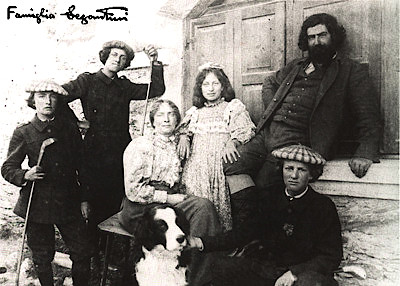
Photo below : Segantini and his family, l to r:
Alberto (1883-1904), Mario (1885-1916), Luigia ‘Bice’ Bugatti (1862-1936), Bianca (1886-1980) and Gottardo (1882-1974).
Gottardo became an artist in his own right and used the rotunda studio that his father had built behind their chalet in Maloja which his father rarely used as he preferred to work outdoors.
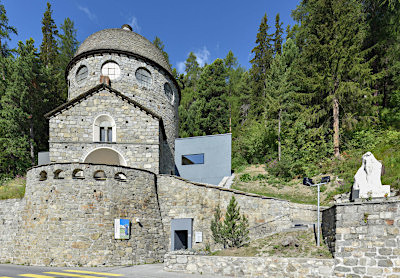
Segantini Museum, St Moritz
The museum, opened in 1908, was built as a “monument to walk through” for the painter who spent the last five years of his life in the Engadine.
The rotunda building with a wide dome is based on the pavilion that Giovanni Segantini had planned for his Engadine panorama at the Paris World Exhibition of 1900.
Today it houses the most comprehensive collection of Segantini’s works.
It is a perfect place to honor his legacy, surrounded by the mountains that he loved and the landscapes that inspired him to develop his work to greater heights, and ultimately to become a pivotal figure in art history.