
Laudanum (16th C)
Paracelsus (c. 1493 - 1541)- Swiss physician, alchemist, lay theologian, philosopher; emphasized value of observation in combination with received wisdom.
Regarded as the "Father of Toxicology". He developed Laudanum ...
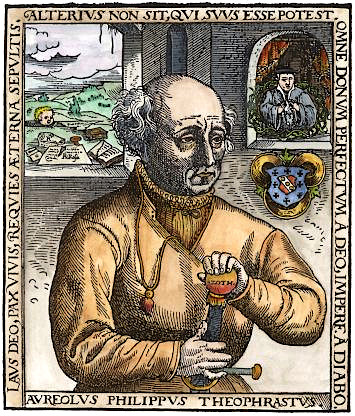
Laudanum : a tincture of opium containing approx 10% powdered opium by weight (the equivalent of 1% morphine). Reddish-brown and extremely bitter; historically used to treat a variety of conditions from sleeplessness to pain and to suppress coughing.

Artery clamp

In addition to inventing other surgical instruments and procedures, Swiss surgeon Theodor Kocher is credited with inventing the artery clamp in 1882 – known as the Kocher’s Surgical Clamp.
The clamp prevents patients bleeding to death during operations when blood vessels are severed. The Kocher clamp is indispensible in the implementation of the next Swiss invention ...
Artificial hip joint
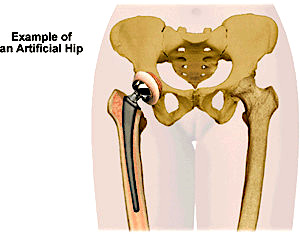
Maurice Edmond Müller (1918 - 2009)
Swiss orthopedic surgeon instrumental in the development of internal fixation techniques to treat bone fractures.
In 1958 Müller developed new tools and fixation implants for orthopedic surgery significantly advancing the development of artificial hip prostheses.
Diclofenac (Voltaren)

1965 - Diclofenac (brand name = Voltaren) was patented by Ciba-Geigy (now part of Novartis)
1988 - Permitted for medical use in the United States.
2018 - the 72nd most commonly prescribed medication in the USA.
Lysergic Acid Diethylamide - LSD

In 1938 Albert Hofmann (1906-2008) first synthesised LSD at Sandoz labs (now part of Novartis).
In 1943 he re-synthesised it and accidentally discovered its powerful effects when he absorbed a small amount of the drug through his fingertips.
On 19 April 1943 he intentionally ingested 250 micrograms of LSD. This day is now known as "Bicycle Day", because he began to feel the effects of the drug as he rode home on a bicycle ....
Ritalin
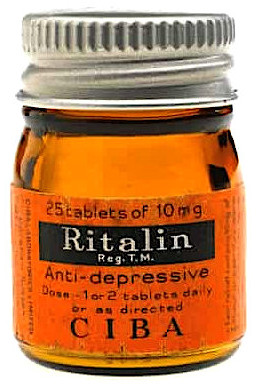
1944 synthesised by Leandro Panizzon at the CIBA (now Novartis) labs in Basel. He tested the drug on himself and his wife Marguerite, nicknamed Rita, after whom the drug is named. Rita suffered from depression. When Rita played tennis, her performance improved greatly on the court.
1955 - US FDA licensed it for use in treating narcolepsy and depression.
1960's - licensed for use in treating ADHD in children.
2016 - 18.6 tons of Ritalin pills consumed in the US alone.
The International Red Cross

Shocked by the fate of the wounded at the 1859 Battle of Solferino between French and Austrian troops in northern Italy, Swiss businessman Henri Dunant launched a campaign to set up international rules on caring for wounded soldiers, notably prisoners.
This gave birth to the Geneva-based International Committee of the Red Cross.
Pumped-storage hydroelectricity

The world's first use of pumped storage was in 1907 at the Engeweiher pumped storage facility near Schaffhausen, Switzerland.
In USA it was first used in 1930 in Connecticut.
Asphalt

Swiss doctor Ernest Guglielminetti settled in Monaco where he met Prince Albert I who asked him what could be done about the dust stirred up by the first motor vehicles. He developed a mixture of tar, gravel and sand for binding the dust.
March 1902 the main street in Monaco was coated with his tar mixture - the start of tarred roads around the world.
Velcro
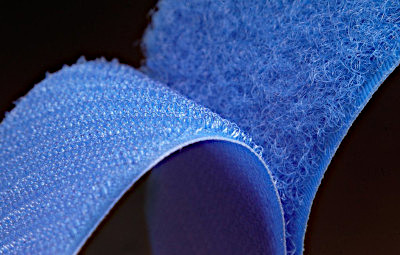
1941 Swiss engineer George de Mestral came home after a hunting trip to find seed pods stuck to his shoes, clothes, and dog. After a peek through the microscope to see what was going on, he created Velcro, from velvet and crochet, mimicking the hook shapes of the seeds' coatings that would cling to any surface with an available loop.
Invention patented in 1955.
Swiss Army Knife

Invented in the 1890s by Karl Elsener who established the Victorinox brand (named after his mother Victoria)
The Victorinox Swiss Officers' Knife has evolved from its original simple knife form to include a panoply of features from the basic corkscrew to modern additions like LED lights and USB drives.
Aluminium foil

1905 - first patent for aluminium foil registered by Swiss business man Heinrich Alfred Gautschi
1910 the firm of Dr. Lauber, Neher & Cie began production of the material in long rolls in Emmishofen; the material rapidly gained popularity.
After short time it was being used to wrap Toblerone chocolate bars and Maggi stock cubes.
The rest is history ...
Cellophane
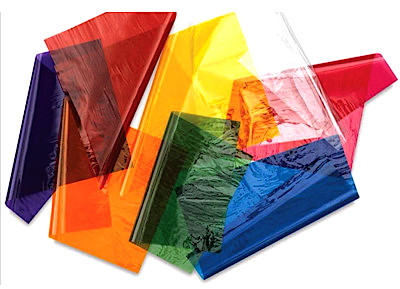
In 1900 Swiss chemist Jacques Brandenberger wondered if tablecloths could be made with a waterproof fabric so spills did not stain them.
He sprayed cloth with cellulose which made it stiff. But then he found he could peel off the cellulose into thin sheets.
He named his invention “cellophane” - what we know now as cling film or plastic wrap.
Absinthe

Aniseed-flavoured spirit originated in the Swiss canton of Neuchâtel in late 18th century - not in France with which it is most often associated!
The 'Green Fairy' became fashionable as an alcoholic drink in late 19th century especially among artists and writers.
Absinthe has a high alcohol content and is usually mixed with water.
By 1915 it was banned in most countries due to its addictive nature and consequent antisocial behaviour for which the drink was blamed.
Its psychoactive properties were grossly exaggerated so from 1990s it has seen a resurgence in popularity.
Muesli
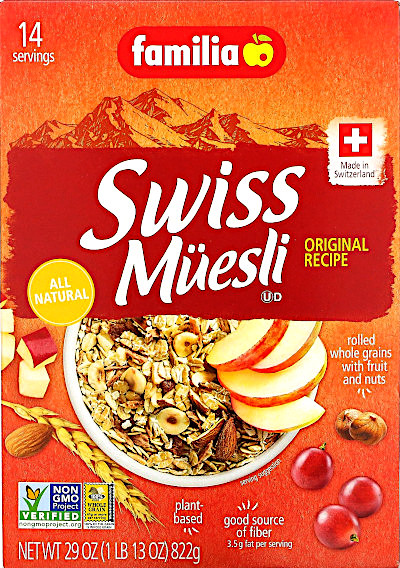
Created around 1900 by Swiss doctor Maximilian Bircher-Benner for patients at his sanatorium in Zurich.
The original dish was based on rolled oats, grated apple, nuts, seeds and fresh or dried fruits, with milk or cream, a squeeze of citrus juice, a sweetener such as honey, and left overnight to soften.
During the healthy-body craze of the 1970s, muesli became a worldwide sensation.
Nescafé
(soluble coffee in powder/granular form)

1930 - Nestlé was requested by the Brazilian Govt to find a way to preserve the substantial surplus of the annual Brazilian coffee harvest.
After 5 years of failed attempts at preserving the true coffee taste in the form of powder, Nestlé pulled the plug on the experiment.
But a staff chemist secretly kept trying different methods in his own time and at his own expense in his own kitchen at Vevey.
In 1936, Max Morgenthaler presented a winning formula to Nestlé …
Helvetica font
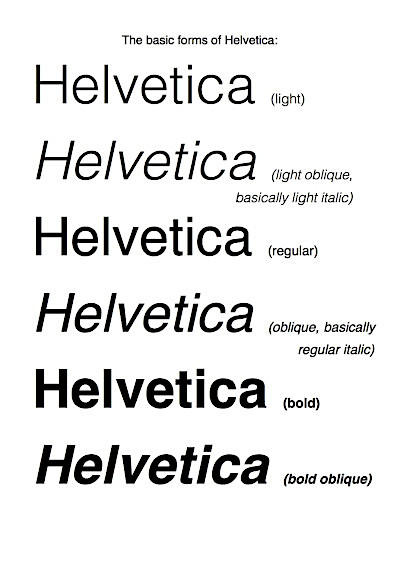
Developed in 1957 by Swiss typeface designers Max Miedinger and Eduard Hoffmann, it has become one of the most popular fonts ever invented.
The classic Helvetica and its many variations are favourites for their crisp, san-serif letters to deliver communication in a clean style.
World Wide Web
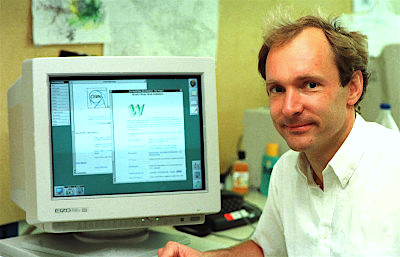
Invented in 1989-1994 by Tim Berners-Lee while he was working at CERN in Geneva.
Inspired by CERN’s own shared network, but frustrated that each computer-stored information with a different login, Berners-Lee created his own version.

The first website in the world was based at CERN, on Berners-Lee's own computer, hosting information about how the web worked.
Direct democracy
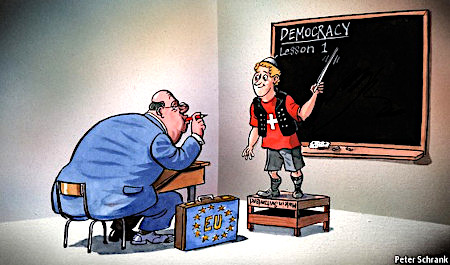
The Ancient Greeks developed the concept of 'democracy', but it was the founding of the Swiss Confederation in 1291 where the principles of 'direct democracy' came into action while absolute monarchs ruled elsewhere across Europe.
Direct democracy - whereby citizens have a direct say in all the key issues of the time and can initiate or repeal binding legislation - is now an integral part of every Swiss person's 'DNA'.
And what the Swiss did not invent .…
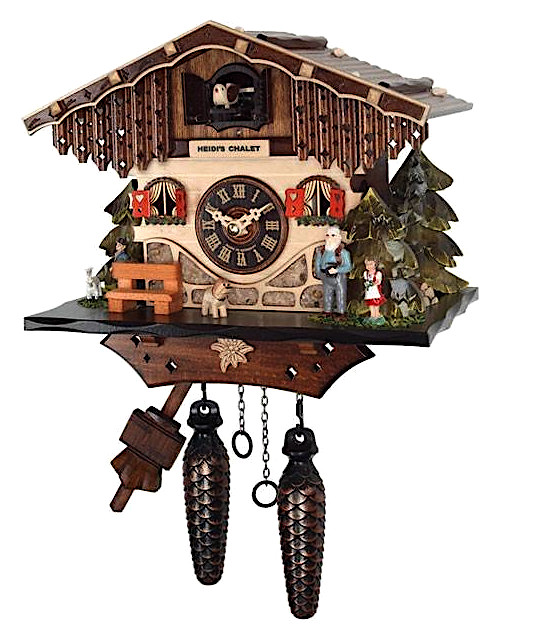
(but are happy to sell nevertheless)
Patents
2021 - 146'716 active Swiss patents
2021 - Switzerland is top country for patent applications with 8'442 made in 2021 alone
Rank |
Country |
Patent applications |
|---|---|---|
| 1 | Switzerland | 969 |
| 2 | Sweden | 487 |
| 3 | Denmark | 454 |
| 4 | Netherlands | 383 |
| 5 | Finland | 380 |
| 6 | Germany | 309 |
| 7 | Austria | 256 |
| 8 | Belgium | 213 |
Some modern innovations
Solar power from railway tracks
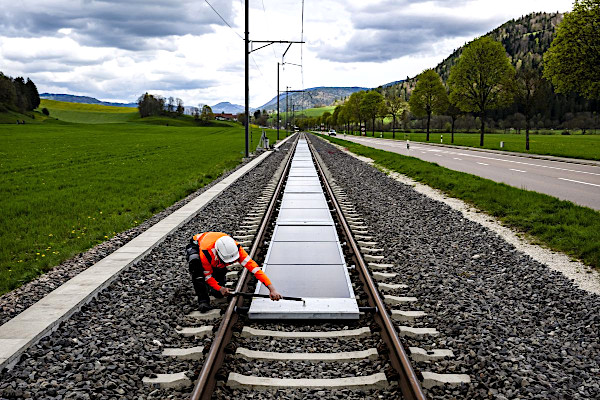
A test project to harvest electricity from railway tracks is in progress. Solar panels are being laid inside the tracks and the electricity generated will be fed into the railways energy system.
Key features of the system include:
- Fast laying of panels by train with a rate of up to 1'000 panels per hour.
- Solar panels will be cleaned by brushes fitted to passing trains.
- Panels can be removed for maintenance work on the tracks by a train and later replaced.
- 2.5 million of these panels could be laid and they would generate around 830 million kilowatt hours of electricity per year.