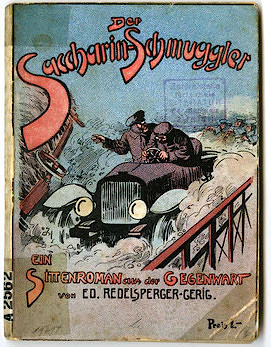
An extract from the novel helps tell the story:
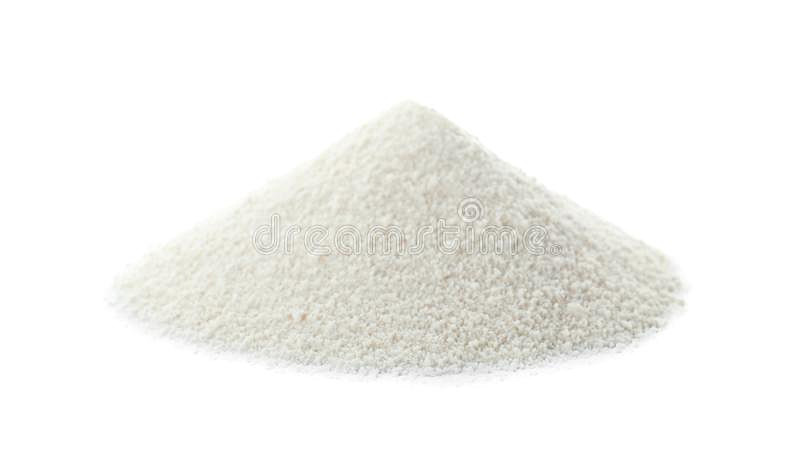
The scene: a dingy backroom in the working-class district of Zurich; a respectable man, frustrated by his business failures, receives instructions on how to attach 15 kgs of a white powder to his body and smuggle it across the border.
The man follows the instructions, takes a train to Prague, sails through customs and gets on with his lucrative business. But soon enough, the tragic hero of this story turns into a liar and a villain and gradually tumbles down into an abyss of corruption, malice, barbarism and brutality.
“The substance has me under control,” the protagonist of the story says. The demon beckons him: “Come on, come on. You will be rolling in money! I will make you rich.” Our smuggler is lost ...
Does this sound like a modern-day story of drug dealing ... ?
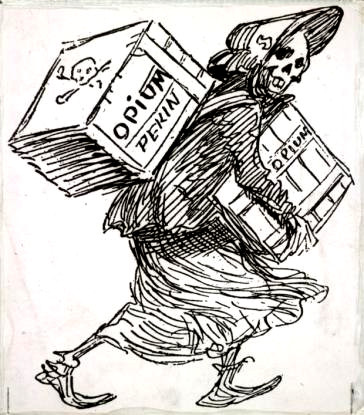
At this time, heroin and cocaine were legally sold in a variety of over-the-counter medicines ....
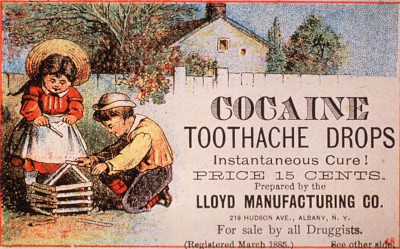

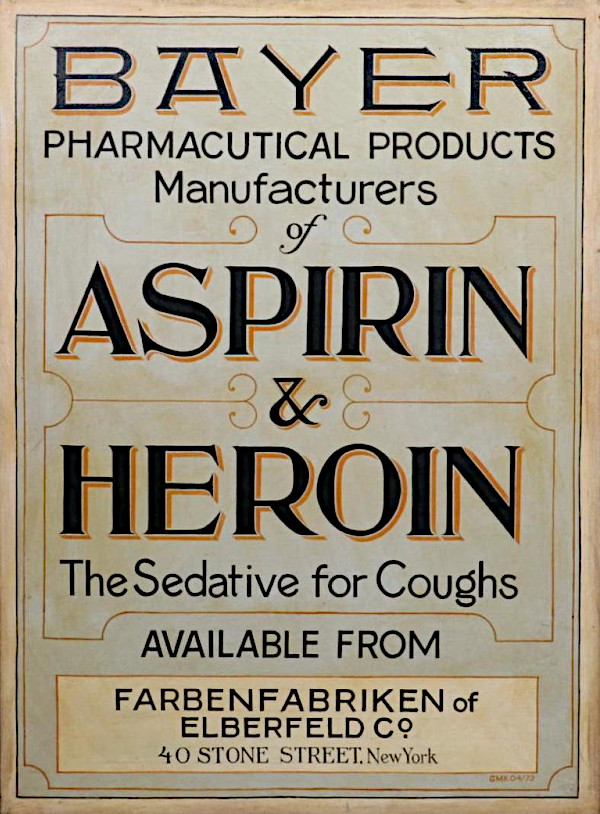
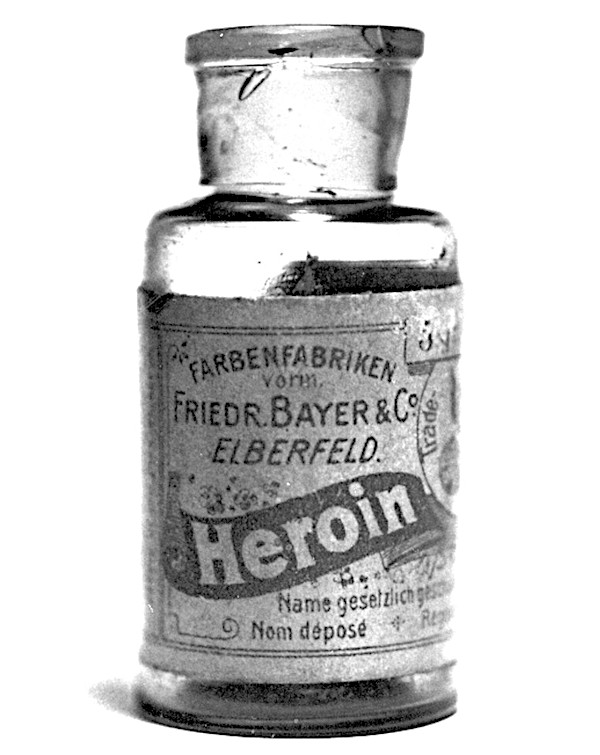
The demon in this story was a synthetic sweetener that was taking Europe by storm …
From 1890s up to 1914, tonnes of saccharin were smuggled out of Switzerland to neighbouring countries.
By 1912 an estimated 1,000 people in Zürich alone made their living dealing in saccharin. Mainly poor people, including women and children, smuggled saccharin for middlemen. Maids, shop assistants and seamstresses were particularly vulnerable to the business as they desperately needed the extra income.
Many viewed smuggling saccharin as a "springboard to a criminal career". Der Tagesanzeiger, reporting in 1912 on the 931 women caught smuggling saccharin, declared that women had lost “their sense for regular work and their morals” and it would not take long for them to fall into the abyss.
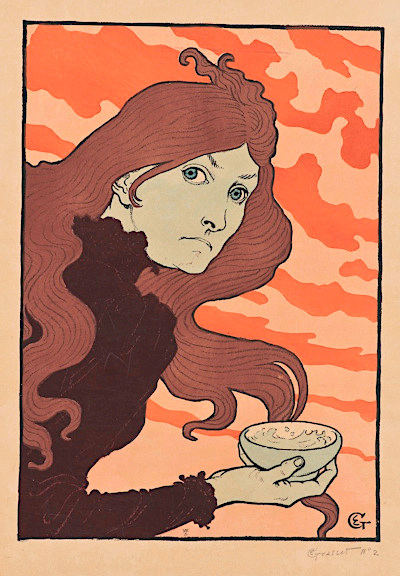
A little history
1879 - Saccharin was discovered by chance after chemists were looking for new uses for coal tar derivatives and found a synthetic substance 300 times sweeter than sugar.
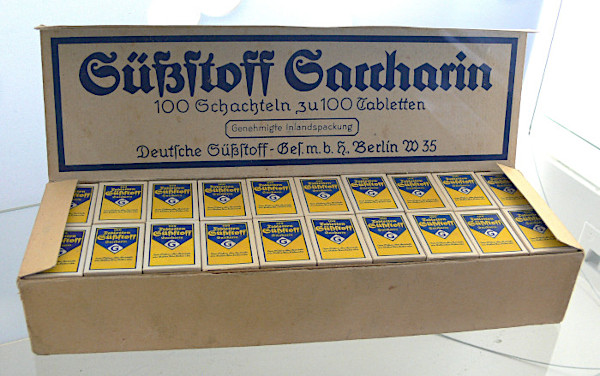
1885 - Saccharin was patented with the first commercial production in USA and Germany - marketed as a “spice” to hide its coal tar origins.
1887 - The powerful German Beet Sugar Lobby launched an Anti-Saccharin campaign.
Following its successful campaign to protect local beet sugar against cane sugar imports from overseas by way of punitive tariff duties on cane sugar, it now fought artificial sweetener produced in factories in Germany.
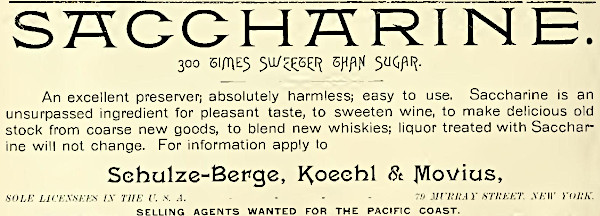
Sugar lobbies throughout Europe also launched massive campaigns to portray sugar as "extremely nutritious" and shame saccharin as the "sticky tarry stuff".
But saccharin consumption continued to rise. Even though production of saccharin was complex which made it more expensive than sugar, it was so many times sweeter than sugar so overall it was much cheaper.
Saccharin became a sugar substitute for poorer people already used to drinking chicory-coffee instead of real coffee. And so, the black market for the white powder was born.
By 1900, most European countries gave in to the powerful sugar lobbies and passed laws that made saccharin a prescription drug.
From 1902 it was only available on prescription in almost every European country.
The police created specialised 'sweetener squads' to hunt down dealers, just like today's drug squads. Germany even established a 'Central Office for the Prosecution of Trafficking in Artificial Sweeteners'.
In the end, the authorities remained powerless and their work only led to the professionalisation of saccharin smuggling - the predecessor of today's drug smuggling.
Meanwhile, back in little Switzerland ...
Saccharin was not illegal and no high taxes were imposed on it.
Swiss taxes on sugar were low to protect the chocolate industry from excessive costs - the price difference between saccharin and sugar was insignificant so saccharin did not put the sugar beet trade at risk.
As saccharin became illegal in other countries, production moved to Switzerland - and provided a great bussiness boost for Swiss pharmaceutical companies.
The 1902 Sandoz (pharmaceutical company) annual report stated that saccharin's prohibition abroad had opened “favourable perspectives” for Basel's industry, and saccharin became increasingly important for chemical manufacturers in the years to come.

By 1906, saccharin went from being insignificant in Swiss trade to becoming the most traded product, accounting for 34% of exports - thanks to the absence of competition from abroad and to the big orders placed by the US or Japan where saccharin was never illegal.
Still, almost half of production went to middlemen who distributed saccharin through illegal smuggling.
Inventive ways to smuggle
Small-time smugglers used inventive ways to move their goods:
- under their clothes- in bags sewed into their underwear
- hidden in toilet cisterns on trains
- in coffins of 'dead' German citizens being taken home for burial …
Big-time smugglers mixed saccharin with gypsum or soda or melted it with wax to create large altar candles that were consecrated in the Einsiedeln Abbey. As devotional objects, candles passed unimpeded over the border into Austria and on to Vienna where insiders melted them, extracted the saccharin and then re-made altar candles for sale - nothing was wasted!

End of an era
Soon after its rise, resistance against Switzerland’s saccharin trade was launched by the White Cross, an organisation dedicated to fighting “the evils” of syphilis, alcoholism and drug addiction.
The organisation hosted several international conferences on how to control its smuggling. At the 1909 and 1911 conferences, Switzerland was accused of being a smugglers' nest and a production site for illegal substances.
Concessions were made and the chemical industry stopped deliveries to those middlemen proven to be smugglers, often only years after they had been convicted.
But with the outbreak of WW1, substitutes for all kinds of goods were in demand, putting an end to the golden era of saccharin smuggling.
After WW2 the saccharin business experienced a quick revival and smuggling to Italy was still lucrative, but the business completely fizzled out in the 1960s.
And in the 21st century …. ?
The artificial sweetner industry is now a $2.1 billion global industry with powerful PR and lobbying resources to reassure consumers that sweetners are safe,
and the sugar industry is under pressure again with high taxes -
"not because of the palates of the poor,
but because of the bellies of the rich"